A Guide Through Houston Past

Step into the vibrant past of Houston, where every street, monument, and museum tells a story worth discovering.
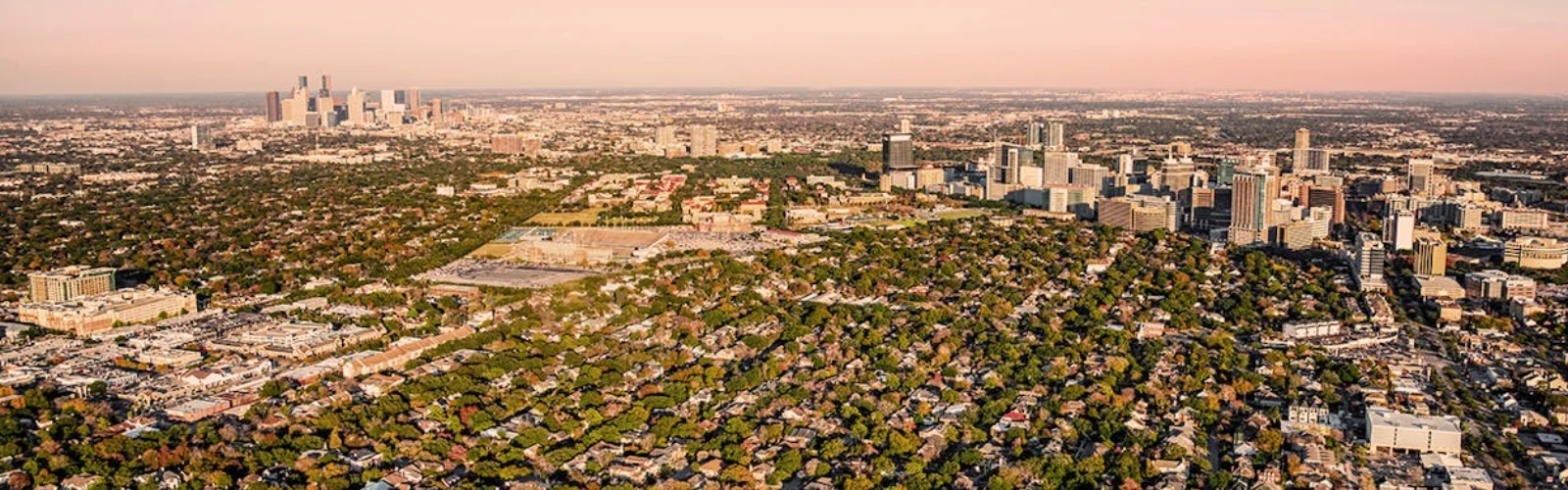
Houston, also known as H-town or Bayou City, is situated in Southeast Texas near Galveston Bay. The city was founded in 1836 by brothers Augustus and John Allen and has expanded rapidly from a small community to a thriving center of culture, business, and innovation. Every neighborhood, structure, and park in Houston has a story from the past to tell, and exploring the city feels like flipping through a book of living history. From the beautiful grounds of the San Jacinto Monument to the stunning Bayou Bend Collection and Gardens, Houston is filled with historical gems.
Below is the window through history in Houston, including its early developments to the present-day innovations, as well as historical places to visit within the city. Keep reading and explore more!
History of Houston
Founding Houston and Republic Era (1832–1839)
Houston was founded in 1836 when brothers John and Augustus Allen purchased land near Buffalo Bayou. They purchased 6,642 acres of land to build a city named after Sam Houston after Texas gained independence in 1836. The Allens attracted settlers looking for opportunity by selling parcels and building a wooden Capitol in a short amount of time. By 1837, Houston became the temporary capital of Texas and was filled with log cabins, taverns, and shops. Despite being primitive, the town thrived because it was close to fertile terrain and expanding trade routes. Its early success earned it a reputation as a bustling frontier city of trade and ambition.
Early Growth and Commerce (1840s–1890s)
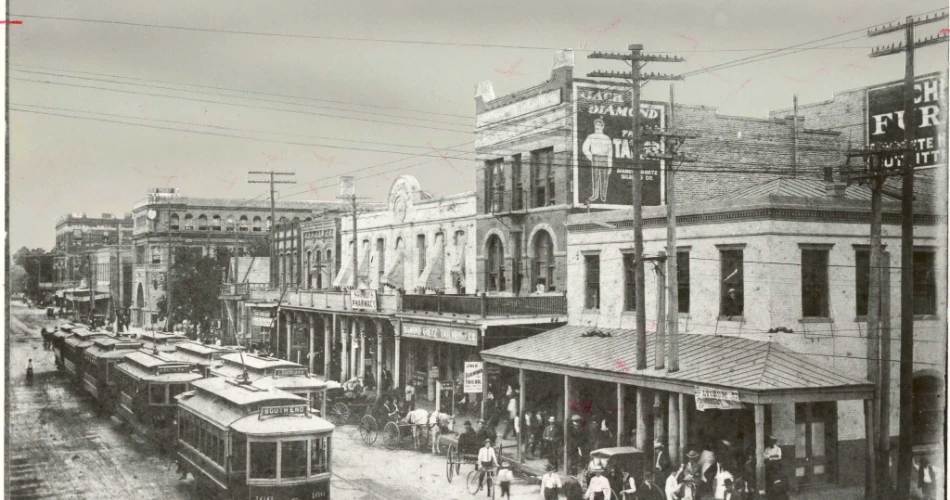
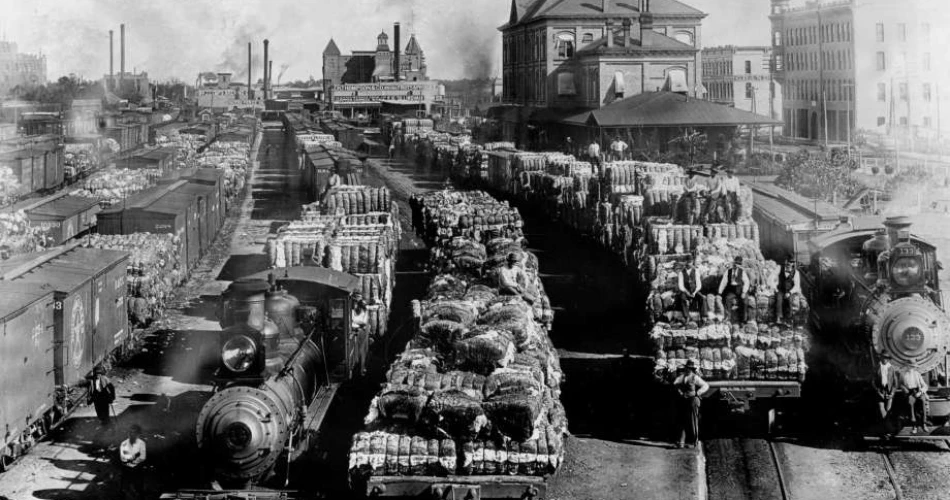
By the year 1840, steamboats arrived in Buffalo Bayou, and the first dock of Houston was established. Freight wagons and railroads connected the city to the Brazos River and helped in transporting cotton and hides to Galveston. During these years, entrepreneurs started calling Houston the place “where 17 railroads meet the sea.” The main street of the city was filled with theaters, stores, and bars. After a few years, public buildings grew rapidly, and churches started to appear. Despite many obstacles, Houston was prospering because of its trade and advantageous location. By the late 19th century, the city featured a growing commercial identity, which set the foundation for industrialization and its future role as an important Texas center.
Port & Oil Boom (1900s–1930s)
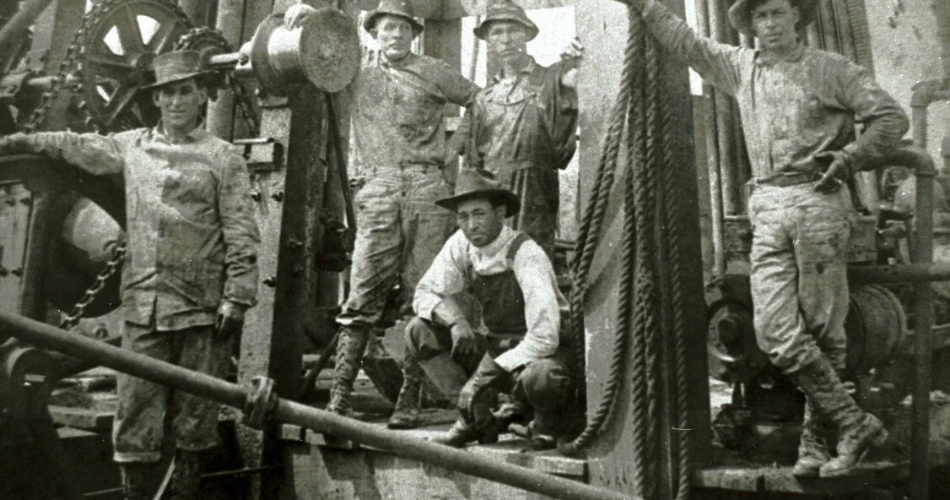
In the 1900s, the Houston port became more well-known because of the devastating 1900 hurricane that happened in Galveston. Buffalo Bayou was enlarged by leaders, and the Houston Ship Channel, which is 36 feet deep, was completed in 1914. Shipping and refineries flourished, aided by cheap rates and storm protection. The 1901 discovery of Spindletop oil nearby fueled industrial growth and attracted chemical companies and refineries along the channel. Houston rose to prominence as the World’s Energy Capital, with fortunes made in oil and gas. The expansion of roads, railroads, and port facilities further solidified the city’s position as a commercial and industrial powerhouse in Texas and worldwide.
1940s to Present
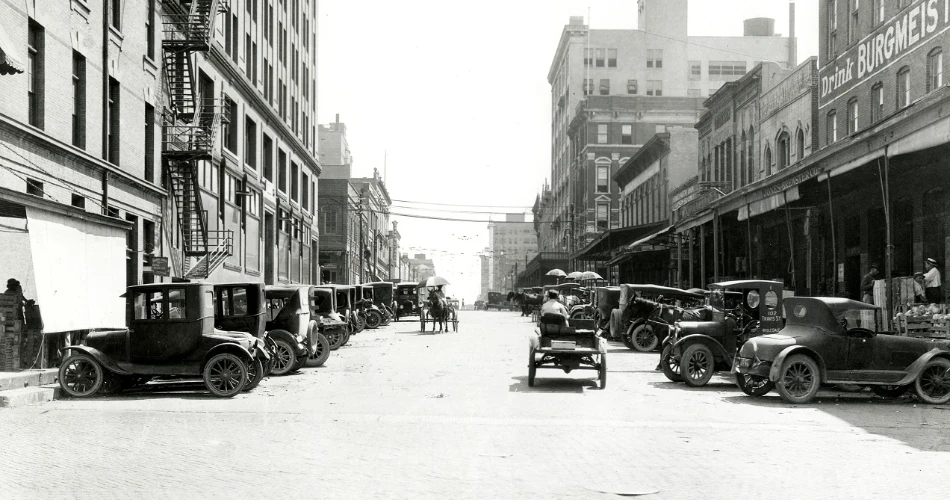
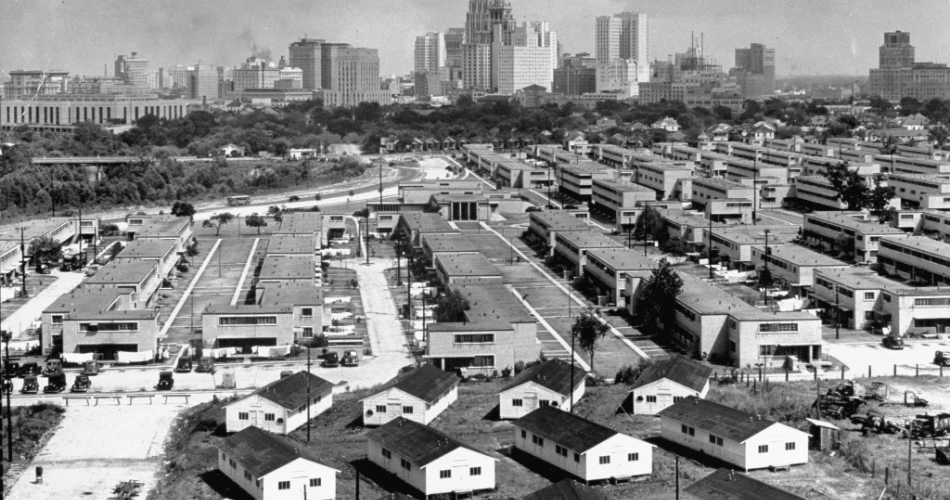
Visionaries like Roy Hofheinz, Jesse Jones, and Will Clayton influenced the development of Houston in the middle of the 20th century. Hofheinz constructed the Astrodome in 1965, Jones funded several charities and skyscrapers, while Clayton shaped world economic policy. Healthcare was propelled by philanthropy: Baylor College of Medicine joined Memorial Hermann and other institutions to form the Texas Medical Center, while M.D. Anderson’s fortune established a world-class cancer facility. In 1961, NASA created the Manned Spacecraft Center to educate astronauts and manage mission control, which was renamed the Johnson Space Center in 1973. Houston’s reputation was further enhanced by Apollo 13, which placed the city on the international scene and attracted thousands more engineers and scientists.
Historical Places to Visit in Houston
Heritage Society
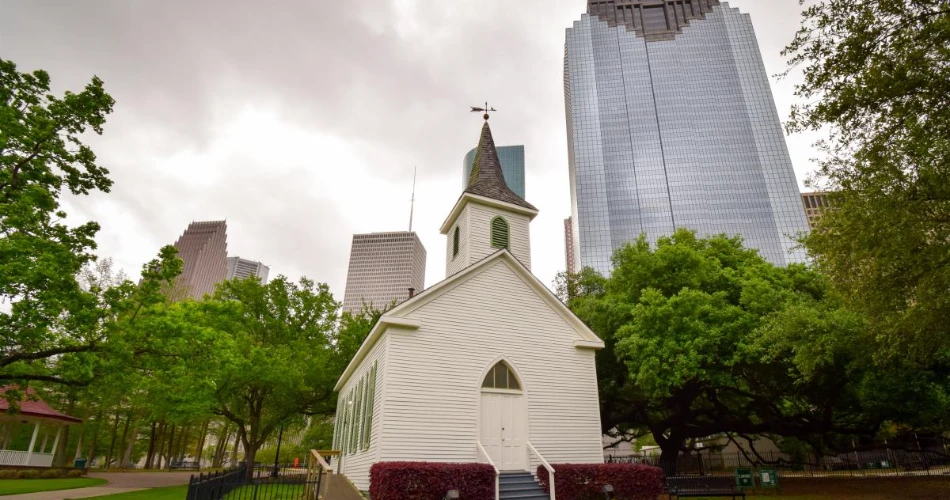
The Heritage Society was established in 1954 to prevent the demolition of the 1847 Kellum-Noble House and has since grown to become a steward of Houston’s history. It is situated in Sam Houston Park, which is the first city park created in 1909 and houses nine historic structures from 1823 to 1905, including a museum gallery at Bagby and Lamar. The park is named after Sam Houston and also features his log cabin from 1833. The Heritage Society also hosts community activities, tours, and exhibitions all year round and has been designated as a protected landmark by the City of Houston.
Space Center Houston
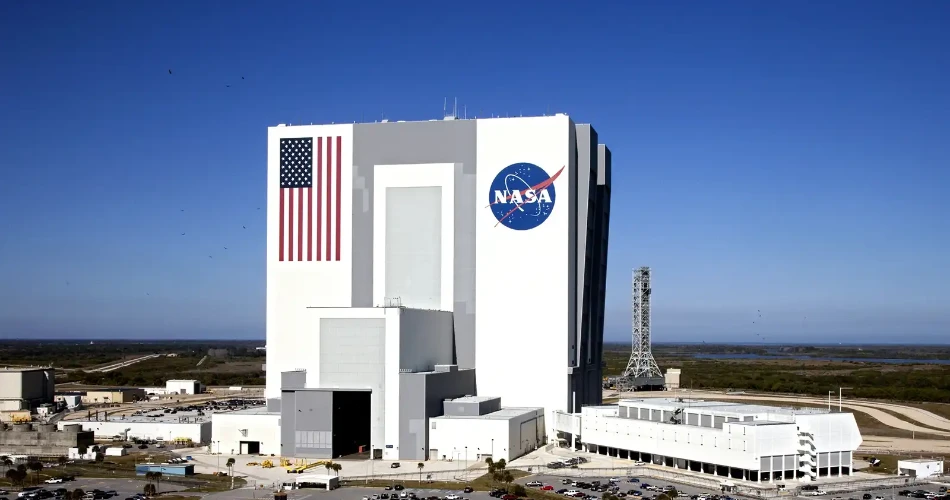
When looking for the best things to do in Houston for history lovers, visiting Space Center Houston, which serves as the official visitor center of NASA’s Johnson Space Center, is the best option. Visitors here can meet astronauts who have orbited Earth, experience mission simulators, or touch real space artifacts. It is also home to exhibitions such as Mission Mars and Living in Space, which bring the International Space Station to life. The site also honors landmark flights like Apollo 11, when Neil Armstrong’s phrase “Houston” was among the first words heard from the lunar surface. Special events also take place here frequently, making your visit unforgettable.
Bayou Bend Collections
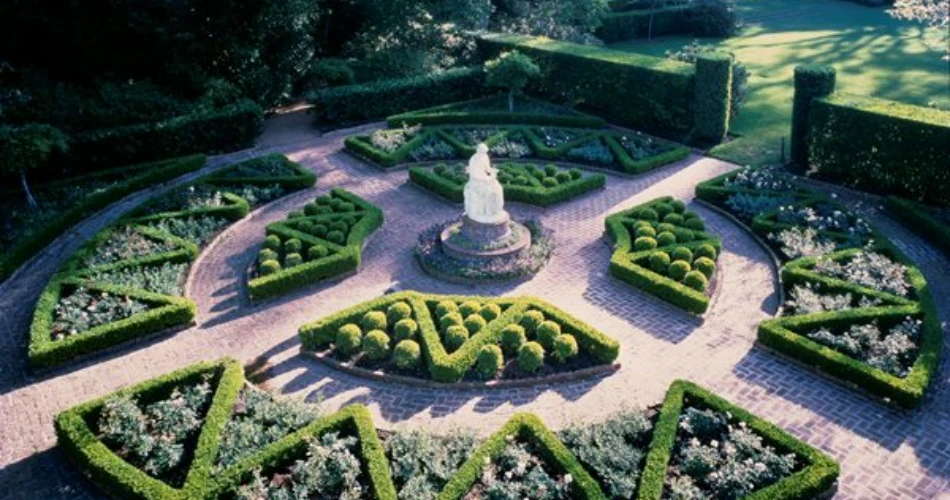
Bayou Bend Collections and Gardens are situated in Houston’s River Oaks and were the home of Ima Hogg, a famous philanthropist. The 14-acre estate was constructed in 1927 and is home to a variety of natural flora and fauna. Hogg gave it to the Museum of Fine Arts, Houston in 1957, establishing a home museum that included American paintings, pottery, silver, and decorative arts. Visitors can stroll around the serene gardens, tour the stunning home, or take part in guided programs that highlight history and art, making it one of the best Houston activities.
The San Jacinto Museum
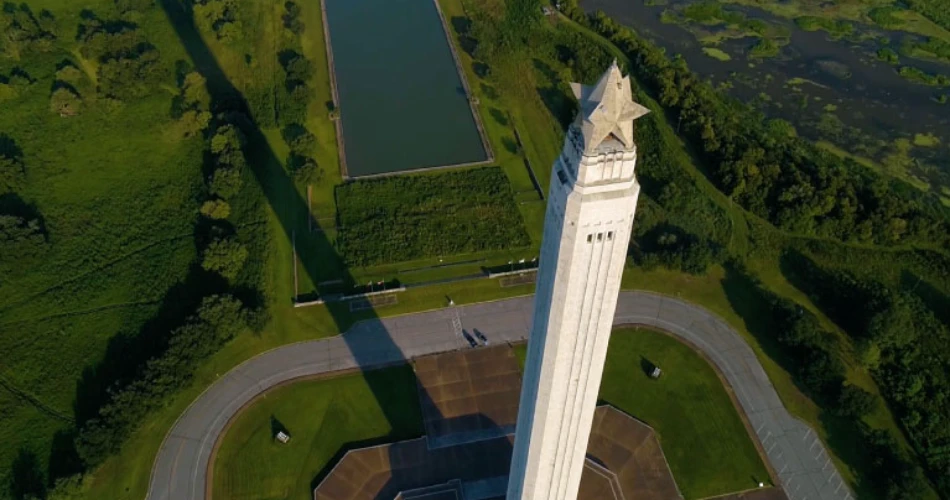
The San Jacinto Museum, situated at the foot of the towering 567-foot San Jacinto Monument, preserves the history of Texas and the story of the Battle of San Jacinto in 1836. The monument was constructed as a New Deal project and honors all those who fought for Texas freedom. It is also home to a 500-foot observation deck that provides breathtaking views of Houston. Inside the museum, you can explore several artifacts, rotating exhibitions, and interactive tours while visiting the surrounding 1,300-acre battleground outside, which invites you to stroll historic sites, have a picnic, go hiking, and experience the conflict that forever changed Texas.
Holocaust Museum
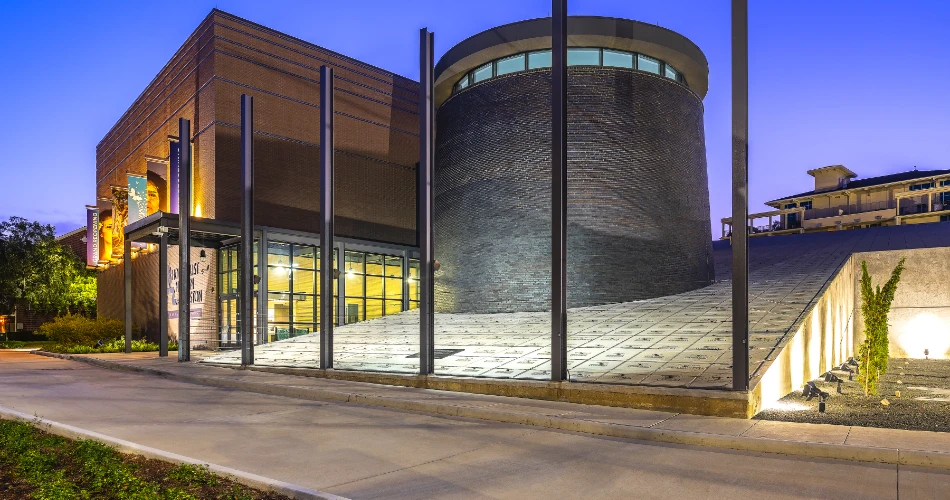
The Holocaust Museum is the fourth-largest Holocaust museum in the US and opened its doors in 1996 in Houston’s Museum District. The first level of the museum features “Bearing Witness,” which showcases survivor stories, a World War II railcar, and a Danish rescue boat. The Human Rights Gallery honors global icons like Martin Luther King Jr. and Malala Yousafzai. Go upstairs and visit the Boniuk Center, which advances genocide research, or explore the Samuel Bak Gallery featuring striking artwork. The Boniuk Library preserves 285 oral narratives and thousands of volumes, while the Butterfly Loft honors 1.5 million children.
Choose Houston Inn & Suites for your next stay and enjoy affordable comfort, convenient amenities, and a memorable travel experience.

About Author
Amelia has a great eye for photography. She has traveled to over 30 countries and has produced great videography and photos, along with penning them down with her writing skills. She has also worked with many top travel photographers.